Insurgent Bodies
Lisetta Carmi | Jürgen Klauke
Text by Anna Daneri
Opening 27 March 2026
Ncontemporary Venice
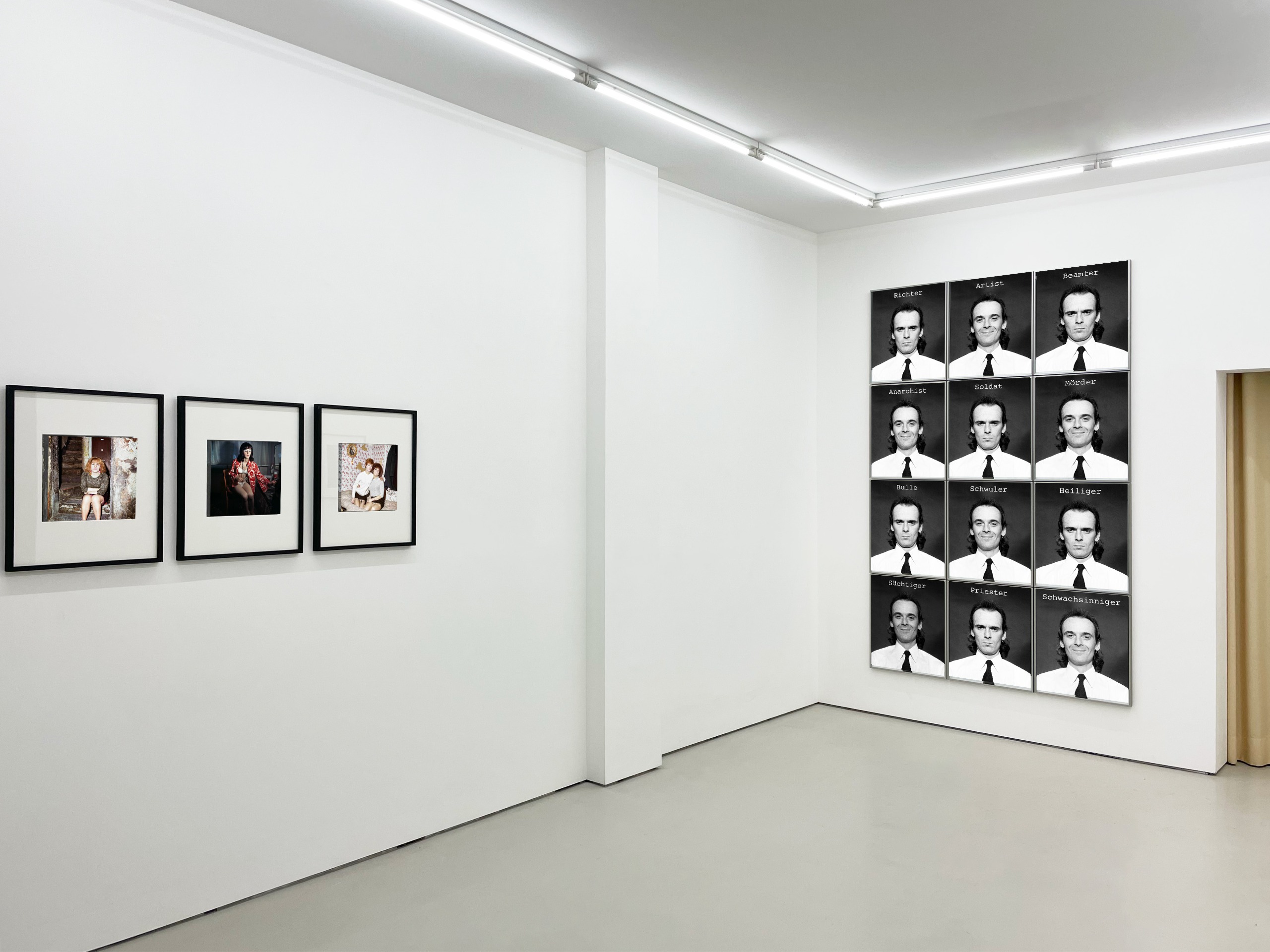
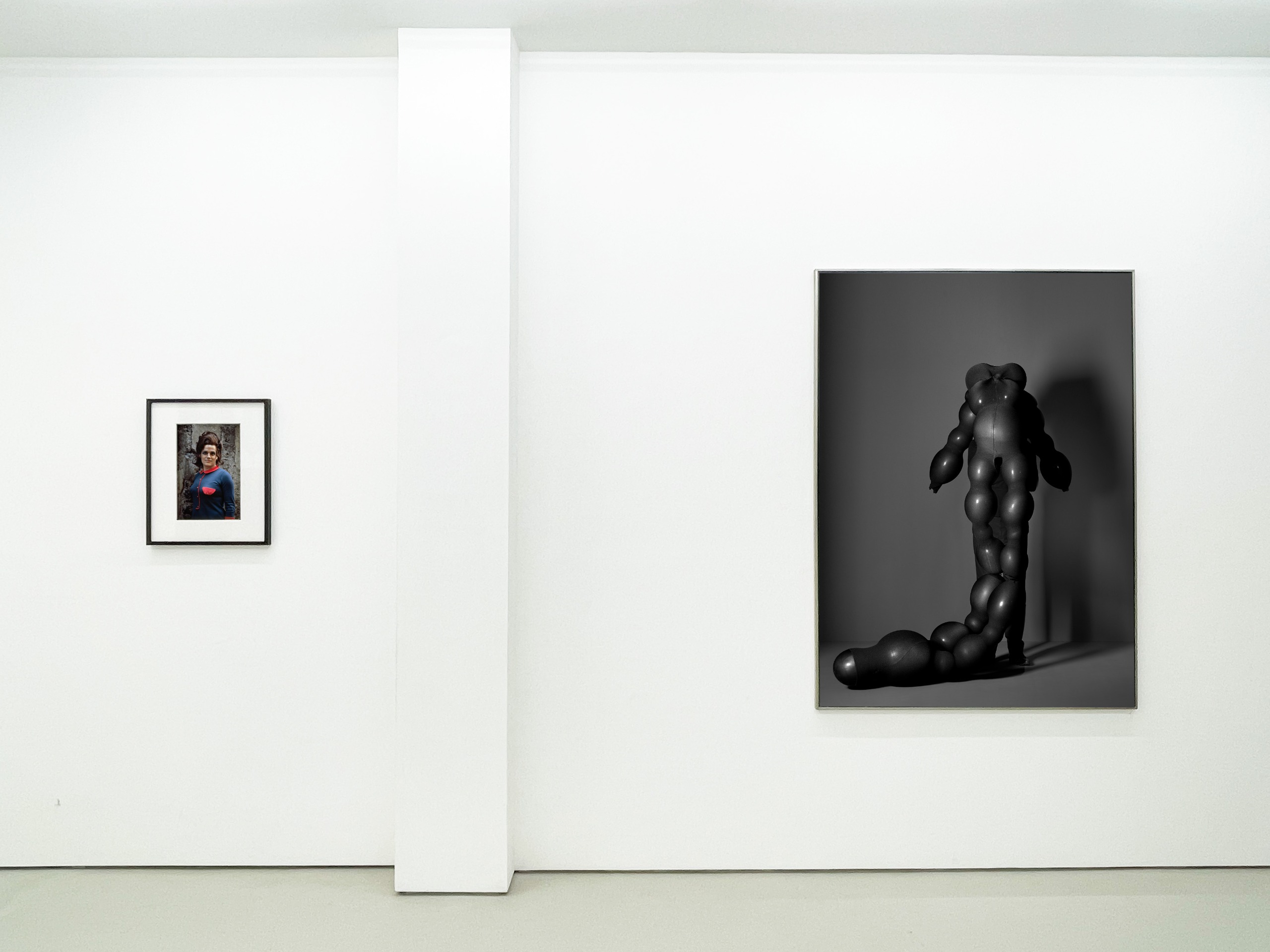
On the occasion of the Venice Gallery Weekend 2026, Ncontemporary and Alessandro Casciaro Venice are pleased to present Insurgent bodies, dual exhibition dedicated to Lisetta Carmi and Jürgen Klauke, two leading figures in European photography who, through distinct yet equally radical paths, have explored the themes of identity, the body, and social representation. The exhibition will be accompanied by a curatorial text by Anna Daneri.
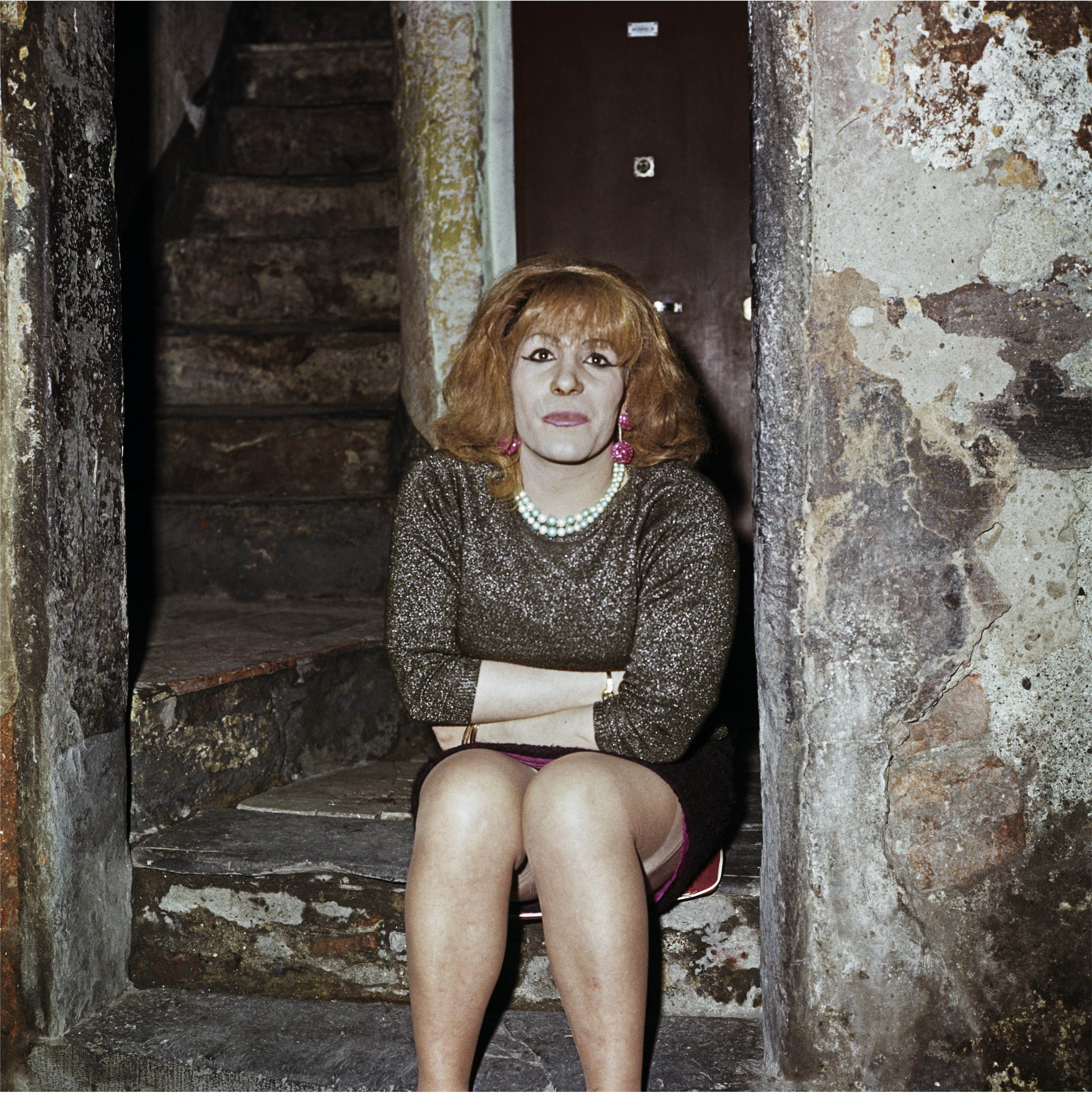
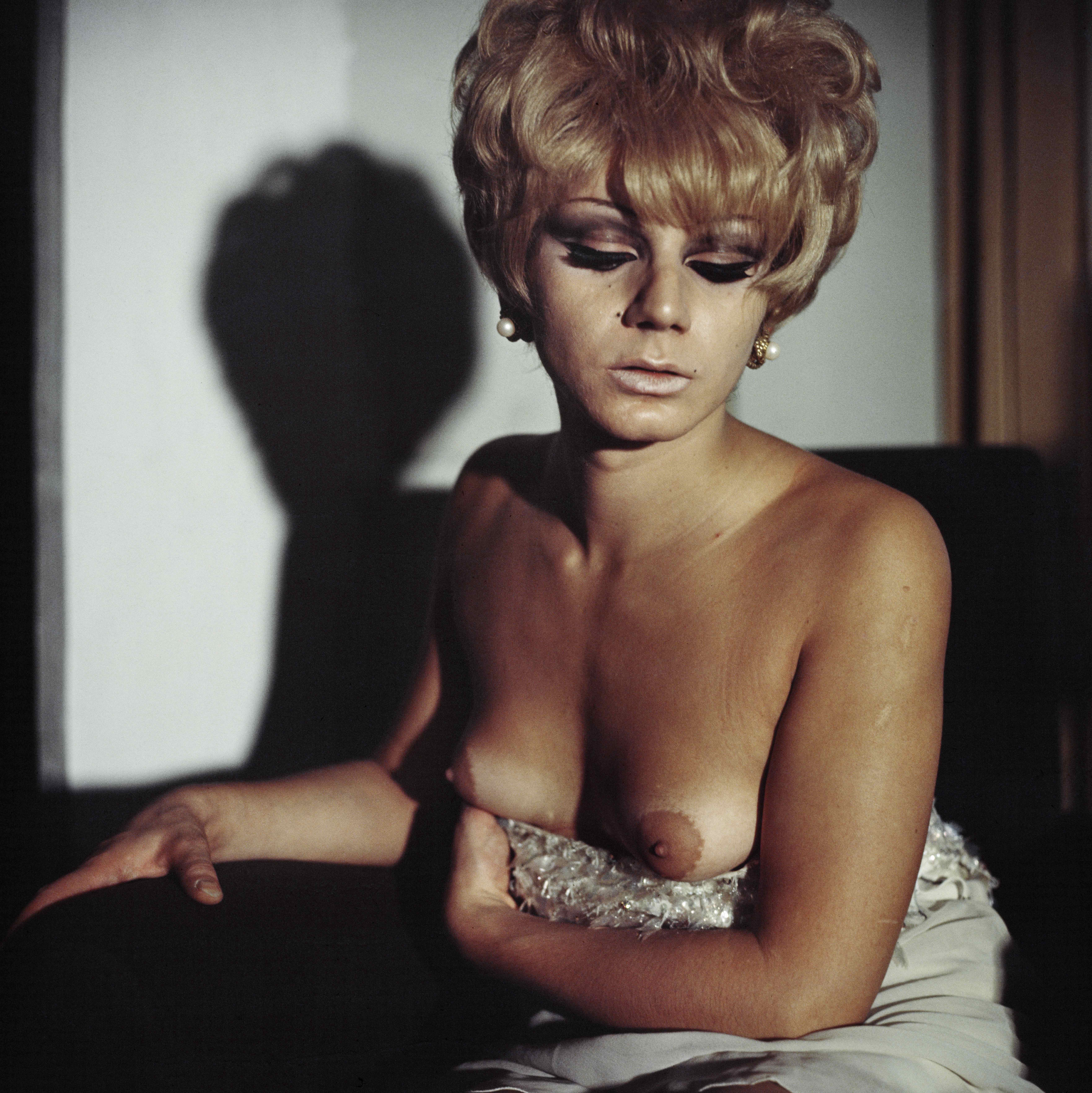
The exhibition opens with a selection of works by Lisetta Carmi (Genoa, 1924 – Cisternino, 2022) from the series I travestiti (1965–1971), one of the most significant bodies of work in twentieth-century Italian photography. Her gaze, free from hypocrisy and moralism, delves into the profound humanity that emanates from the bodies and expressions of a segment of society long neglected, repressed, and marginalized. First published in 1972, the volume I travestiti is today regarded as a seminal work not only within Italian photography but also in the broader history of gender representation, for its ability to merge social testimony and aesthetic power, restoring dignity and authenticity to lives marked by the search for freedom and recognition. At a time when society struggled to accept difference and nonconforming identities, Carmi broke the silence, giving visibility to those excluded from public discourse. Her work combines the force of social documentation with an artistic sensitivity capable of revealing the most intimate and universal dimensions of human experience.
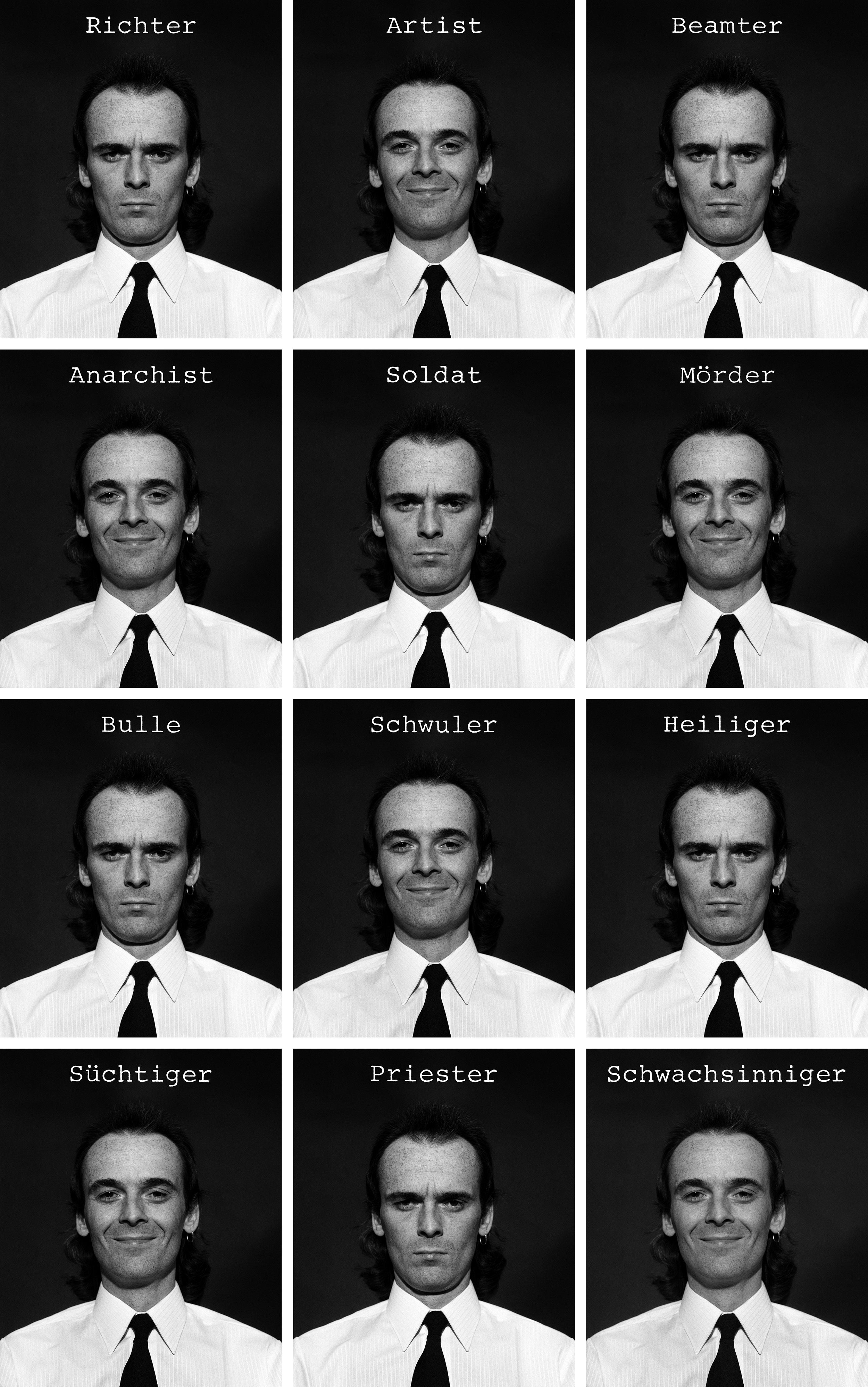
Alongside this empathetic and documentary vision, the exhibition presents the work of Jürgen Klauke (Cochem, 1943), a German artist who, since the 1970s, has made his own body a privileged site of inquiry and experimentation. Through photographs and performative sequences, Klauke has explored the realms of sexual ambiguity, disguise, and the construction of identity, using staging as a critical and subversive tool. His language—both ironic and unsettling—challenges conventional boundaries between the masculine and the feminine, the natural and the artificial, the social and the intimate. Through seriality, the use of masks, theatricality, and cross-dressing, Klauke questions the instability of identity and the permeability between gendered, natural, and social dimensions. Deeply rooted in the visual culture of the 1970s, his work remains strikingly relevant today for its ability to challenge imposed boundaries and anticipate reflections that would only enter the public discourse decades later.
The dialogue between Carmi and Klauke brings together two distinct yet complementary perspectives: on one side, the urgency of giving visibility to a silenced community through the power of social photography; on the other, the act of aesthetic and conceptual subversion that turns the body into language. Two trajectories that, though born in distant contexts, converge today in a profoundly contemporary reflection on identity, gender, and expressive freedom.
 Ncontemporary